Introduction
The demand for home healthcare aides has been steadily rising across the globe, especially in countries like the United States, Canada, the United Kingdom, and parts of Europe. With aging populations, growing healthcare needs, and a shortage of skilled workers, healthcare organizations and private care agencies are actively seeking compassionate individuals to fill these roles. For many international job seekers, the added advantage is that a large number of these positions come with visa sponsorship opportunities, making them an excellent pathway to stable employment and residency abroad.
Home healthcare aides play a crucial role in ensuring patients—particularly the elderly, disabled, or chronically ill—receive personal care and assistance within the comfort of their homes. Unlike nurses or physicians, aides do not require years of advanced education. Instead, the emphasis is placed on compassion, reliability, and a willingness to learn.
In this detailed guide, we’ll explore everything you need to know about home healthcare aide positions with visa sponsorship opportunities—from job responsibilities and skill requirements to top hiring countries, average salaries, training programs, and long-term career prospects.
What Does a Home Healthcare Aide Do?
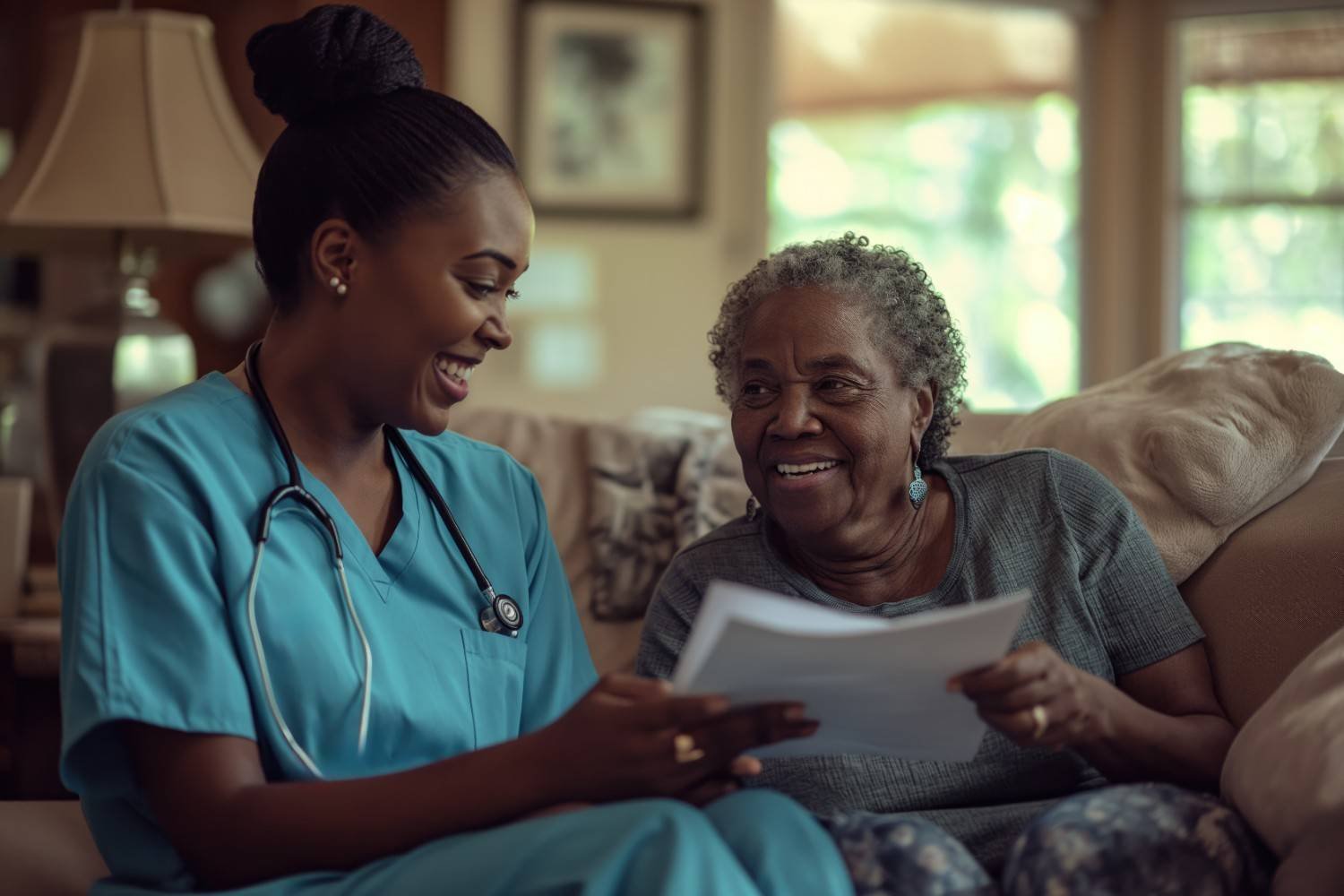
Home healthcare aides are responsible for providing non-medical care to patients in their homes. Their duties vary depending on the client’s needs but typically include:
- Personal Care Assistance – Helping clients with bathing, grooming, dressing, and mobility.
- Daily Living Support – Preparing meals, assisting with feeding, and ensuring medication reminders.
- Companionship – Offering emotional support, conversation, and social interaction.
- Light Housekeeping – Performing basic chores like laundry, cleaning, and organizing living spaces.
- Health Monitoring – Recording vital signs (in some regions), reporting changes in condition to supervisors.
- Transportation Assistance – Accompanying clients to appointments, shopping, or community events.
While medical duties are limited, some aides receive additional training to assist with basic health-related tasks under the supervision of registered nurses.
Why Home Healthcare Aides Are in High Demand
- Aging Populations – Countries like the U.S., Canada, and most of Western Europe are experiencing significant growth in elderly populations, requiring more long-term care professionals.
- Healthcare Worker Shortages – Many nations face shortages of nurses and caregivers, creating urgent demand for international workers.
- Preference for In-Home Care – Families increasingly prefer to keep loved ones at home rather than in long-term care facilities.
- Cost-Effective Care – Home healthcare is often less expensive than hospital or nursing home care, making it a preferred option for healthcare systems.
- Global Workforce Mobility – Visa sponsorship programs are designed to attract foreign workers to fill essential roles in healthcare.
Skills Required to Succeed as a Home Healthcare Aide
Unlike highly technical healthcare roles, becoming a home healthcare aide emphasizes soft skills and personal qualities as much as practical training. Essential skills include:
- Compassion and Patience – Providing care with kindness and empathy.
- Communication Skills – Clear interaction with patients, families, and supervisors.
- Physical Stamina – Ability to lift patients, assist with mobility, and perform daily tasks.
- Adaptability – Handling different patient needs and environments.
- Attention to Detail – Monitoring client health changes and following care plans precisely.
- Time Management – Balancing tasks efficiently, often across multiple clients.
Some employers also provide training to ensure aides are equipped with safety, CPR, and first aid knowledge.
Training and Certification
While formal education beyond high school is not always required, many employers look for candidates who have completed caregiver training programs. In countries like the U.S. and Canada, certification may be necessary:
- Certified Nursing Assistant (CNA) – Common in the U.S., often required for healthcare aide positions.
- Home Health Aide (HHA) Training – Short-term programs covering personal care, nutrition, and patient safety.
- First Aid & CPR Certification – Essential for emergency response.
- NVQ Level 2 or 3 in Health and Social Care – Common in the U.K. for care assistant roles.
Many agencies that sponsor visas also provide on-the-job training for international recruits.
Countries Offering Visa Sponsorship for Home Healthcare Aides
1. United States
- High demand due to aging baby boomers.
- Common visa pathways: H-2B (temporary work visa) and EB-3 (permanent work visa for skilled workers).
- Employers often provide training and certification opportunities.
- Average salary: $27,000–$35,000 annually for entry-level aides.
2. Canada
- Strong immigration policies designed to attract healthcare workers.
- Popular pathways: Temporary Foreign Worker Program and Home Child Care Provider Pilot & Home Support Worker Pilot.
- Average salary: CAD $32,000–$42,000 annually.
3. United Kingdom
- Healthcare assistants and care workers are on the shortage occupation list, making it easier for employers to sponsor international workers.
- Visa pathway: Health and Care Worker visa.
- Average salary: £21,000–£27,000 annually.
4. Australia
- Demand in rural and urban areas for aged care workers.
- Visa pathways: Temporary Skill Shortage Visa (subclass 482) and Skilled Independent Visa (subclass 189).
- Average salary: AUD $40,000–$50,000 annually.
5. Germany
- Facing one of the largest healthcare worker shortages in Europe.
- Visa pathway: EU Blue Card and German Skilled Worker Visa.
- Average salary: €24,000–€32,000 annually.
Benefits of Home Healthcare Aide Positions with Visa Sponsorship
- Guaranteed Employment – Sponsorship ensures secure job placement.
- Legal Work Status – Provides visas and permits for international workers.
- Training and Certification – Employers often fund training programs.
- Path to Permanent Residency – Many sponsorships can lead to citizenship opportunities.
- Career Stability – Healthcare roles are recession-proof and in constant demand.
- Personal Fulfillment – Making a meaningful difference in people’s lives daily.
Challenges in the Role
While rewarding, home healthcare aide positions come with challenges:
- Physical Demands – Lifting, assisting, and constant movement.
- Emotional Strain – Working with patients facing illness or decline.
- Long Hours – Shifts may include evenings, weekends, and holidays.
- Cultural Adjustment – For international workers, adapting to new cultural environments can be challenging.
- Entry-Level Pay – Salaries start modestly but grow with experience and specialization.
Long-Term Career Opportunities
Home healthcare aide positions often serve as a gateway into broader healthcare careers. Many aides go on to:
- Become Certified Nursing Assistants (CNA)
- Advance to Licensed Practical Nurse (LPN) or Registered Nurse (RN)
- Specialize in geriatric care, hospice care, or disability support
- Move into supervisory or administrative roles in healthcare organizations
- Transition into healthcare management or education
This career ladder makes the role attractive not only as a job but as the first step in a long-term healthcare career.
Salary Expectations by Region
- North America – $27,000–$42,000 per year depending on training and location.
- Europe – €22,000–€35,000 annually with benefits and housing in some programs.
- Asia & Middle East – Salaries may be lower, but many positions include free housing and meals.
- Australia & New Zealand – AUD $40,000–$55,000 annually with growing demand.
How to Secure a Home Healthcare Aide Position with Visa Sponsorship
- Research Countries in Demand – Focus on nations with active healthcare worker shortages.
- Target Employers with Sponsorship Programs – Many agencies advertise sponsorship opportunities directly.
- Prepare Documentation – Resume, cover letter, and relevant training certificates.
- Obtain Basic Certifications – First aid and caregiver training improve chances.
- Apply Through International Recruitment Agencies – Many specialize in placing healthcare workers abroad.
- Demonstrate Soft Skills – Compassion, patience, and communication are highly valued.
Why International Workers Are Preferred
Many countries actively recruit foreign workers because:
- Local supply of workers is insufficient.
- International workers bring cultural diversity and multilingual skills.
- Sponsorship programs encourage long-term retention of employees.
Conclusion
Home healthcare aide positions with visa sponsorship opportunities provide a valuable career pathway for compassionate individuals seeking stable jobs abroad. The demand for caregivers continues to grow globally, and international workers have never been more in demand. These positions not only provide job security and financial stability but also open doors to long-term healthcare careers and permanent residency in many countries.
For those looking to combine meaningful work with international opportunities, becoming a home healthcare aide is more than just a job—it’s the first step toward a rewarding global career in healthcare.