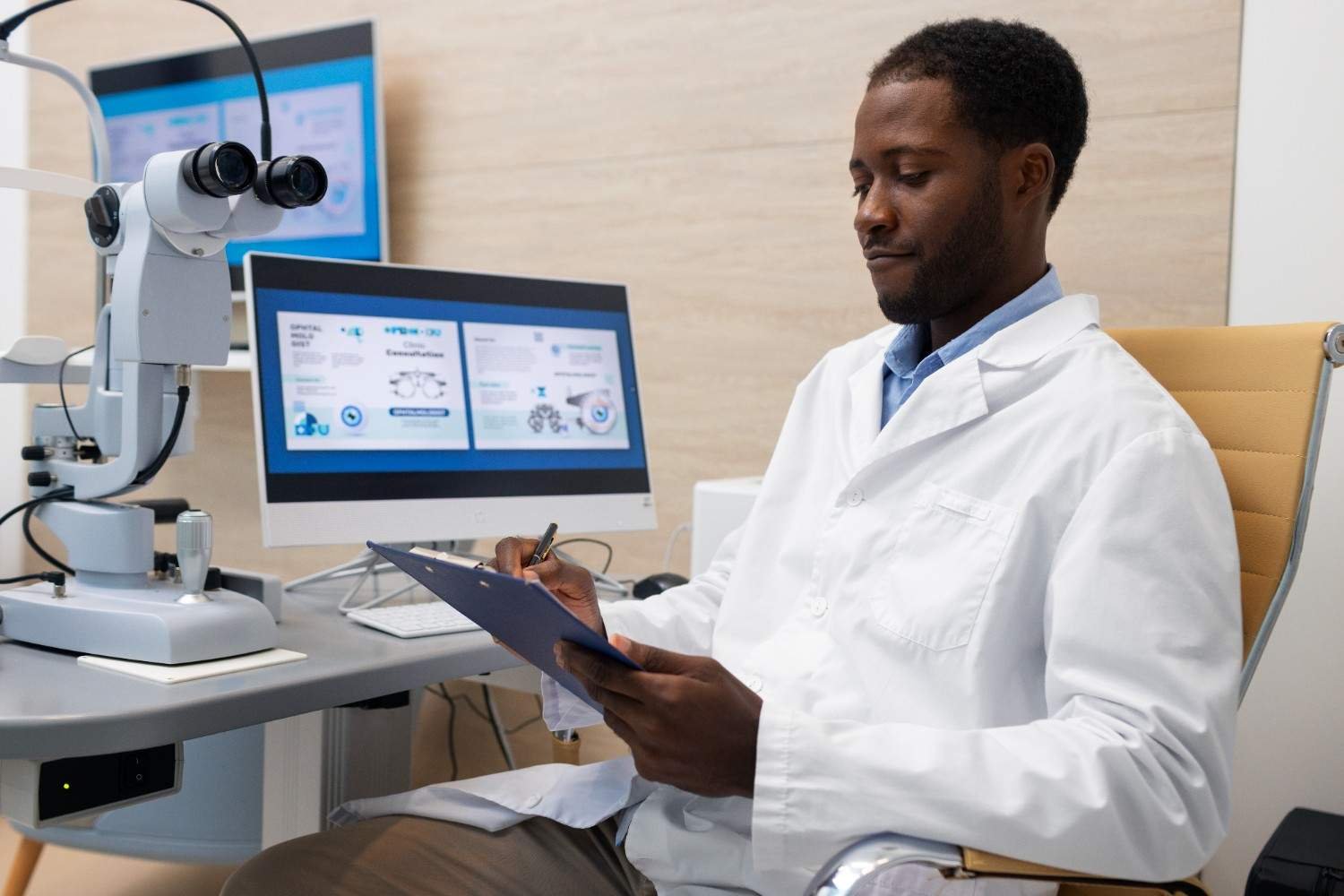
The medical device industry represents one of the most dynamic and rewarding sectors in healthcare sales, with professionals earning competitive salaries while making meaningful contributions to patient care. As healthcare technology continues advancing at breakneck speed, companies desperately seek talented sales representatives who understand both the technical complexities of medical equipment and the nuanced needs of healthcare providers. This comprehensive guide explores six premier medical device sales training programs that consistently produce successful healthcare sales professionals, offering aspiring representatives a clear pathway into this thriving industry.
Understanding the Medical Device Sales Landscape
Medical device sales stands apart from traditional pharmaceutical sales in several crucial ways. Representatives selling medical equipment often work directly with surgeons, hospital administrators, and clinical staff, sometimes even providing technical support during surgical procedures. This unique role demands extensive product knowledge, clinical understanding, and the ability to build trust with highly educated healthcare professionals who make purchasing decisions affecting patient outcomes.
The financial rewards in medical device sales reflect these heightened responsibilities. Entry-level medical sales representatives typically earn base salaries ranging from sixty to eighty thousand dollars annually, with commission structures that can double or triple total compensation within the first few years. Senior medical device sales professionals routinely earn six-figure incomes, with top performers in specialized fields like orthopedic implants or cardiovascular devices commanding compensation packages exceeding three hundred thousand dollars annually.
However, breaking into this lucrative field requires more than enthusiasm and basic sales skills. Healthcare facilities expect medical device representatives to demonstrate comprehensive product knowledge, understand clinical applications, navigate complex regulatory environments, and communicate effectively with diverse stakeholders from surgeons to supply chain managers. This is where specialized medical device sales training programs become invaluable, providing structured education that transforms motivated individuals into competent healthcare sales professionals.
Program 1: Medical Sales College Comprehensive Certification
Medical Sales College has established itself as a leading institution for aspiring medical device sales professionals, offering an intensive certification program that combines online learning with hands-on practical experience. Their comprehensive curriculum spans twelve weeks of rigorous training, covering everything from anatomy and physiology to advanced consultative selling techniques specific to healthcare environments.
The program begins with foundational medical knowledge, ensuring students understand human anatomy, common medical procedures, and the clinical challenges healthcare providers face daily. This medical foundation proves essential when discussing product applications with physicians who expect sales representatives to speak their language fluently. Students learn medical terminology, study major body systems, and explore common pathological conditions that medical devices address.
Following the medical foundation, students dive into product-specific training modules covering major device categories including surgical instruments, implantable devices, diagnostic equipment, and patient monitoring systems. Each module includes detailed technical specifications, competitive analysis, and case studies demonstrating successful sales strategies in real-world scenarios. The program emphasizes understanding not just product features but their clinical benefits and economic value propositions for healthcare institutions.
The sales methodology component teaches consultative selling approaches tailored to healthcare settings. Students learn to conduct needs assessments with clinical staff, navigate hospital value analysis committees, and present compelling business cases that address both clinical efficacy and financial return on investment. Role-playing exercises simulate challenging sales situations, from handling physician objections to negotiating with group purchasing organizations.
Medical Sales College distinguishes itself through partnerships with actual medical device manufacturers, providing students opportunities to train on real equipment and interact with industry professionals. Guest speakers from companies like Johnson & Johnson, Medtronic, and Boston Scientific share insights about their organizations’ cultures, hiring practices, and career advancement opportunities. These connections often lead directly to job interviews and employment offers for program graduates.
The certification process includes comprehensive examinations testing medical knowledge, product expertise, and sales competency. Graduates receive ongoing career support including resume optimization, interview coaching, and job placement assistance. The program maintains an impressive placement rate, with over eighty percent of graduates securing medical device sales positions within six months of certification.
Program 2: MDSA Professional Development Academy
The Medical Device Sales Association operates a Professional Development Academy specifically designed for individuals transitioning into medical device sales from other industries. This program recognizes that many successful medical sales professionals bring valuable experience from fields like business-to-business sales, clinical healthcare, or biomedical engineering, requiring targeted training to bridge knowledge gaps rather than starting from scratch.
The MDSA academy offers flexible learning pathways accommodating different backgrounds and schedules. Healthcare professionals like nurses or surgical technicians follow tracks emphasizing sales fundamentals and business acumen, while experienced sales professionals from other industries focus more heavily on medical knowledge and healthcare system navigation. This customized approach ensures efficient use of students’ time while addressing individual development needs.
Core curriculum components include healthcare economics, teaching students how hospitals make purchasing decisions and the various stakeholders involved in procurement processes. Understanding hospital budgeting cycles, reimbursement mechanisms, and value-based care initiatives helps sales representatives position products effectively within broader institutional priorities. Students analyze real hospital financial statements and learn to calculate return on investment metrics that resonate with administrative decision-makers.
The regulatory compliance module addresses the complex legal and ethical considerations governing medical device sales. Students study FDA regulations, the Sunshine Act reporting requirements, and hospital credentialing processes. Understanding these compliance requirements prevents costly mistakes and builds credibility with healthcare institutions that prioritize vendor partnerships with demonstrated regulatory expertise.
Territory management training teaches students to analyze market opportunities, segment accounts strategically, and allocate time effectively across diverse customer types. Using customer relationship management software and sales analytics tools, students learn to track performance metrics, forecast revenue accurately, and identify growth opportunities within assigned territories. This data-driven approach to territory management distinguishes top performers in competitive medical device markets.
The academy’s mentorship program pairs students with experienced medical device sales professionals who provide ongoing guidance throughout training and early career development. Mentors share practical insights about specific device markets, introduce mentees to industry contacts, and offer feedback on sales presentations and professional development plans. This mentorship component significantly accelerates learning curves for program participants.
Graduates receive MDSA professional certification recognized throughout the medical device industry as a mark of comprehensive preparation. The association maintains an extensive employer network, regularly connecting certified professionals with hiring managers at medical technology companies. Alumni access continuing education resources, industry conferences, and peer networking opportunities that support long-term career growth.
Program 3: Orthopedic Sales Excellence Institute
The Orthopedic Sales Excellence Institute specializes exclusively in training sales representatives for the orthopedic device market, one of the most technically demanding and financially rewarding segments within medical device sales. Orthopedic sales representatives often serve as clinical consultants during surgical procedures, requiring exceptional product knowledge and the ability to remain composed in operating room environments.
This specialized program spans sixteen weeks of intensive training combining classroom instruction, surgical observation, and hands-on workshop experiences. Students begin by mastering musculoskeletal anatomy, studying bone structure, joint mechanics, and the biomechanical principles underlying orthopedic interventions. Understanding how healthy joints function and common pathologies affecting the musculoskeletal system provides essential context for discussing surgical solutions with orthopedic surgeons.
The surgical technique module introduces students to common orthopedic procedures including joint replacements, fracture repairs, and spinal fusions. Through high-definition surgical videos and cadaver labs, students observe these procedures step-by-step, learning how different implants and instruments are utilized throughout operations. This detailed procedural knowledge enables representatives to provide valuable technical support to surgical teams and troubleshoot challenges that arise during cases.
Product training covers major orthopedic device categories including hip and knee implants, trauma fixation systems, spinal devices, and sports medicine products. Students learn about different implant materials, design philosophies, and the clinical evidence supporting various product approaches. Competitive analysis exercises teach students to articulate their products’ unique advantages while respectfully acknowledging competitors’ strengths, building credibility with surgeons who appreciate balanced perspectives.
The institute’s signature component involves actual operating room observations where students shadow experienced orthopedic sales representatives during surgical cases. Under supervision, students gradually assume responsibilities like ensuring proper inventory availability, assisting with implant sizing, and providing technical information to surgical staff. This hands-on experience demystifies the operating room environment and builds confidence for independent case coverage.
Business development training addresses the unique sales cycle in orthopedic markets where building surgeon relationships requires patience and persistence. Students learn strategies for gaining access to busy surgeons, conducting product evaluations, and converting trial usage into committed adoption. The program emphasizes relationship-building approaches that establish representatives as trusted clinical resources rather than mere vendors.
Career placement support includes connections with orthopedic device manufacturers actively recruiting trained representatives. The institute maintains relationships with companies ranging from industry giants like Zimmer Biomet and Stryker to innovative startups developing next-generation orthopedic technologies. Graduates enter the job market with demonstrated competencies that command premium starting salaries and accelerated advancement opportunities.
Program 4: Cardiovascular Device Sales Mastery Course
The Cardiovascular Device Sales Mastery Course prepares representatives for the highly specialized cardiac and vascular device market, where products range from pacemakers and stents to sophisticated cardiac assist devices. This market demands representatives who can engage confidently with interventional cardiologists, cardiac surgeons, and electrophysiologists while understanding complex cardiac pathophysiology and treatment algorithms.
The program’s foundation begins with comprehensive cardiac anatomy and physiology education. Students learn about cardiac electrical conduction, coronary circulation, and hemodynamic principles that govern cardiovascular function. Understanding normal cardiac physiology and common cardiovascular diseases like coronary artery disease, heart failure, and arrhythmias provides context for discussing therapeutic interventions with clinicians.
Device technology modules cover major product categories including coronary intervention devices, structural heart solutions, cardiac rhythm management systems, and peripheral vascular products. Students examine different stent designs, understand pacemaker programming parameters, and learn about transcatheter valve replacement technologies. This technical depth enables representatives to address sophisticated clinical questions and support complex procedural planning.
The clinical evidence component teaches students to interpret and present cardiovascular clinical trial data effectively. Understanding study designs, statistical analyses, and clinical endpoints helps representatives discuss product efficacy using evidence-based arguments that resonate with academically-oriented cardiologists. Students practice translating complex clinical data into compelling narratives that highlight patient benefits and clinical advantages.
Catheterization laboratory training familiarizes students with the specialized environment where many cardiovascular procedures occur. Through virtual reality simulations and lab observations, students learn about cath lab protocols, imaging systems, and the various team members involved in interventional procedures. Understanding cath lab workflows helps representatives provide efficient support without disrupting clinical operations.
The reimbursement and health economics module addresses the complex payment landscape for cardiovascular procedures and devices. Students learn about diagnosis-related groups, physician fee schedules, and new technology add-on payments that affect hospital economics. Understanding reimbursement mechanisms helps representatives demonstrate how their products contribute to institutional financial performance while improving patient outcomes.
Graduates emerge prepared for careers with leading cardiovascular device companies, equipped with specialized knowledge that commands premium compensation. The program’s alumni network includes successful representatives throughout the cardiovascular device industry, providing ongoing professional connections and career advancement opportunities. Many graduates eventually progress into clinical specialist roles, sales management positions, or marketing roles within cardiovascular device organizations.
Program 5: Surgical Device Representative Certification
The Surgical Device Representative Certification program focuses on preparing sales professionals for the broad surgical device market, encompassing everything from basic surgical instruments to advanced energy devices and surgical robotics. This comprehensive program addresses the diverse needs of representatives who may cover multiple surgical specialties and interact with various surgical team members.
Foundational surgical knowledge begins with understanding sterile technique, operating room protocols, and infection prevention principles. Students learn about surgical asepsis, proper gowning and gloving procedures, and the importance of maintaining sterile fields during procedures. This knowledge ensures representatives can enter operating rooms without compromising patient safety or disrupting surgical workflows.
The surgical specialties overview introduces students to major surgical disciplines including general surgery, gynecology, urology, and neurosurgery. Each specialty module covers common procedures, typical instrumentation needs, and unique challenges surgeons face. Understanding different surgical approaches and specialty-specific requirements helps representatives identify opportunities and tailor product presentations to specific clinical needs.
Advanced surgical technology training covers emerging technologies transforming surgical practice. Students learn about minimally invasive surgical platforms, surgical navigation systems, and integrated operating room technologies. Understanding these advanced systems positions representatives to sell sophisticated capital equipment and support technology adoption initiatives within healthcare institutions.
The program emphasizes practical skills through surgical skills laboratories where students practice handling instruments, learn proper passing techniques, and understand instrument functionality. Using surgical simulators, students experience firsthand how different instruments perform, building empathy for end-users and credibility when discussing product features with surgical staff.
Value analysis and capital equipment sales modules address the complex approval processes for surgical technology acquisitions. Students learn to navigate value analysis committees, prepare comprehensive product evaluations, and develop business cases that address clinical, operational, and financial considerations. Understanding capital budgeting processes and conducting total cost of ownership analyses helps representatives succeed in competitive bid situations.
Professional development components include presentation skills training specific to surgical audiences, time management strategies for covering multiple facilities, and relationship building with diverse stakeholder groups from surgeons to sterile processing managers. The program’s career services team provides job search support, salary negotiation coaching, and long-term career planning guidance.
Program 6: Digital Health and Connected Medical Device Training
The Digital Health and Connected Medical Device Training program addresses the rapidly evolving market for smart medical devices, remote monitoring systems, and integrated digital health platforms. As healthcare increasingly embraces digital transformation, this program prepares representatives to sell sophisticated connected devices that generate data, enable remote care, and integrate with electronic health records.
The digital health fundamentals module introduces students to healthcare information technology, including electronic health records, health information exchanges, and interoperability standards. Understanding how connected devices integrate with existing health IT infrastructure helps representatives address implementation concerns and demonstrate seamless workflow integration. Students learn about HL7 standards, FHIR protocols, and cybersecurity considerations critical to healthcare organizations.
Connected device technology training covers various device categories including wearable monitors, implantable sensors, smart infusion pumps, and connected diagnostic equipment. Students learn how these devices collect, transmit, and analyze patient data, enabling continuous monitoring and early intervention opportunities. Understanding both hardware components and software platforms helps representatives articulate complete solution value propositions.
The data analytics and artificial intelligence module explores how connected devices leverage advanced analytics to generate actionable insights. Students learn about predictive algorithms, machine learning applications, and clinical decision support systems that enhance device value beyond basic monitoring functions. This knowledge enables representatives to discuss not just data collection but meaningful clinical intelligence that improves patient outcomes.
Telehealth and remote patient monitoring components address the growing market for virtual care solutions. Students learn about reimbursement models for remote monitoring, regulatory requirements for telehealth programs, and best practices for implementing virtual care initiatives. Understanding these elements helps representatives position connected devices within broader digital health strategies.
The change management and implementation module recognizes that selling connected devices often requires organizational transformation. Students learn strategies for addressing resistance to change, building stakeholder consensus, and supporting successful technology adoption. Understanding implementation challenges from workflow disruption to staff training needs helps representatives provide realistic expectations and comprehensive implementation support.
Cybersecurity and regulatory compliance training addresses unique considerations for connected medical devices. Students learn about FDA cybersecurity guidelines, HIPAA requirements for protected health information, and best practices for maintaining device security throughout product lifecycles. This knowledge builds confidence among healthcare customers increasingly concerned about cybersecurity vulnerabilities.
Choosing the Right Medical Device Sales Training Program
Selecting an appropriate medical device sales training program requires careful consideration of individual background, career goals, and learning preferences. Healthcare professionals transitioning to sales may benefit from programs emphasizing sales fundamentals and business acumen, while experienced sales professionals might prioritize medical knowledge and clinical credibility development.
Geographic considerations influence program selection, as some offer in-person components requiring travel to training facilities. Online programs provide flexibility for working professionals but may lack hands-on experiences available through in-person training. Hybrid programs combining online learning with periodic in-person workshops often provide optimal balance between convenience and experiential learning.
Financial investment varies significantly across programs, from several thousand dollars for online certifications to tens of thousands for comprehensive in-person programs. Evaluating return on investment requires considering not just program costs but potential salary increases and career advancement opportunities. Many programs offer financing options or payment plans making training accessible to motivated individuals without immediate funds available.
Researching program outcomes provides valuable insights into training effectiveness. Prospective students should investigate job placement rates, average starting salaries for graduates, and types of companies hiring program alumni. Speaking with program graduates offers firsthand perspectives on training quality and career impact. LinkedIn provides an excellent platform for identifying and connecting with program alumni willing to share experiences.
Industry recognition matters when selecting training programs, as some certifications carry more weight with employers than others. Programs affiliated with professional associations or endorsed by major medical device companies often provide enhanced credibility and networking opportunities. Employer tuition reimbursement policies may also influence program selection for currently employed individuals seeking career transitions.
Maximizing Success in Medical Device Sales Training
Success in medical device sales training requires commitment beyond attending classes and completing assignments. Proactive learners who supplement formal training with independent study, industry networking, and practical experience consistently achieve better outcomes than passive participants.
Building medical knowledge foundations through additional resources enhances program learning. Reading medical journals, attending healthcare conferences, and following industry news helps students understand broader healthcare trends affecting medical device markets. Online resources like medical education videos and anatomy applications provide supplementary learning opportunities that reinforce classroom instruction.
Networking throughout training programs creates valuable professional connections before entering the job market. Engaging actively with instructors, guest speakers, and fellow students builds relationships that often lead to job opportunities and ongoing professional support. Joining professional associations like the Medical Device Manufacturers Association provides additional networking platforms and industry resources.
Developing a professional online presence during training helps attract employer attention. Creating a polished LinkedIn profile highlighting relevant skills and training progress demonstrates professionalism and initiative. Sharing industry articles and insights positions aspiring representatives as engaged professionals committed to medical device sales careers.
Gaining practical experience through internships, job shadowing, or volunteer opportunities in healthcare settings provides valuable context for classroom learning. Even unpaid experiences in hospitals or clinics offer exposure to healthcare environments and opportunities to observe medical device usage firsthand. These experiences provide compelling talking points during job interviews and demonstrate genuine interest in healthcare.
Launching Your Medical Device Sales Career
Completing a medical device sales training program marks the beginning, not the end, of professional development in this dynamic field. Successful medical device sales professionals commit to continuous learning as products evolve, clinical practices advance, and healthcare delivery models transform.
The job search process requires strategic positioning and persistent effort. Tailoring resumes to highlight relevant training and transferable skills helps candidates stand out in competitive applicant pools. Preparing compelling answers to common interview questions about career transitions and motivation for entering medical device sales demonstrates thoughtfulness and commitment.
Starting positions may not always align perfectly with ultimate career goals, but entry-level roles provide valuable experience and industry credibility. Many successful medical device sales professionals began in inside sales positions, customer service roles, or sales support functions before advancing to field sales positions. Viewing initial positions as stepping stones rather than destinations maintains motivation during career building phases.
Setting realistic expectations about early career challenges helps maintain persistence through inevitable setbacks. Building physician relationships takes time, learning complex products requires ongoing study, and achieving sales targets demands consistent effort. Successful representatives view challenges as learning opportunities and maintain focus on long-term career development rather than short-term frustrations.
Professional development continues throughout medical device sales careers through manufacturer training programs, industry conferences, and advanced certifications. Many representatives eventually specialize in specific device categories or pursue leadership roles in sales management, marketing, or clinical education. The skills developed in medical device sales including relationship building, technical knowledge, and business acumen create numerous career advancement opportunities within healthcare industries.
Conclusion
Medical device sales represents an exceptional career opportunity for motivated individuals seeking financially rewarding roles that contribute meaningfully to healthcare delivery. The six training programs detailed in this guide provide structured pathways into this dynamic industry, each offering unique approaches to developing the complex skill sets successful medical device sales professionals require.
Whether choosing comprehensive certification programs, specialized training in specific device markets, or digital health-focused curricula, prospective representatives should select programs aligning with their backgrounds, interests, and career objectives. The investment in quality training pays dividends through accelerated career entry, enhanced earning potential, and long-term professional success in medical device sales.
As healthcare technology continues advancing and aging populations drive increased demand for medical interventions, the medical device industry will continue offering abundant opportunities for well-trained sales professionals. Those who commit to comprehensive training, ongoing professional development, and delivering value to healthcare providers will find medical device sales provides not just lucrative compensation but meaningful careers improving patient lives through innovative medical technologies.
The journey from training program to successful medical device sales professional requires dedication, persistence, and continuous learning. However, for those willing to invest in professional development and embrace the challenges of healthcare sales, medical device sales offers unparalleled opportunities for career growth, financial success, and professional satisfaction in one of healthcare’s most dynamic sectors.